

Access to learning, enrichment and support frequently depends on whether families have the resources, time and local infrastructure to participate.
Through our Community Giving Initiative, participating Urban Scientists can nominate a nonprofit they’re passionate about supporting and complete a four-hour (minimum) paid volunteerism requirement. Once they volunteer with the organization and create a recap about their experience, Urban Science awards a $500 corporate donation to the nominated nonprofit.
As part of this initiative, several team members have directed company dollars toward four organizations helping close local gaps, remove barriers for young people to learn, grow and belong, and provide immediate, tangible support to students and families in need.
Downtown Detroit Boxing Gym
In Detroit, consultant Sydney Rutledge nominated Downtown Detroit Boxing Gym (DBG), an after-school program serving students ages 8 to 18 from more than 40 zip codes across the region. Founded in 2007 by coach and youth mentor Khali Sweeny, DBG was built in response to the lack of academic and emotional support Sweeney experienced growing up. Today, the program serves 250 students annually, with a waitlist stretching into the thousands.
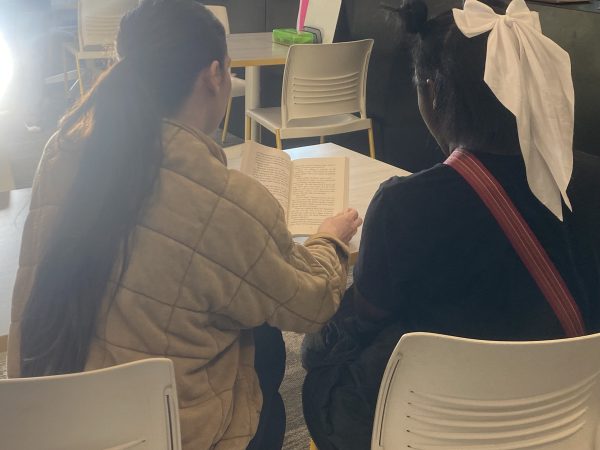
Despite its name, boxing is only one small part of DBG’s work. Students receive individualized academic plans, daily tutoring, mentorship and career readiness support. The organization also provides access to a STEAM lab with robotics and 3D printing, a commercial kitchen, podcasting equipment, free transportation and nutritious meals. With these supports in place, DBG boasts a 100% high school graduation rate and a 98% postsecondary continuation rate.
Rutledge was introduced to DBG during a tour at Detroit Homecoming and later volunteered with their Literacy Intervention Program, which helps students quickly get up to speed and read at or above their grade level.
“Witnessing their work firsthand and learning about the profound impact they’ve had on young lives was truly inspiring,” Rutledge said. “From this gym, doctors, engineers and physicists have emerged, who without DBG, might never have completed high school.”
Howell High School Band Boosters
For Daniel Hesselgrave, a Detroit-based Urban Scientist, education also means creative expression. His Community Giving Initiative nomination supported the Howell High School Band Boosters, a nonprofit focused on removing financial barriers for students participating in the school’s band program.
The organization provides meals during long rehearsals, funds instrument rentals and repairs, supports lesson and band camp costs and covers the transportation of large equipment to competitions and festivals. Thanks to these resources, students facing food insecurity or financial hardship are not excluded from participation.
Hesselgrave volunteers most often in logistics and transportation, including assisting with the annual band festival at Waterford Kettering High School. While the work is demanding, he sees its impact clearly.
“What I take away every time I’m around these students is community,” Hesselgrave said. “Their ability to be themselves, learn to create and grow and, most important, find their people.”
In a funding environment where arts programs are often among the first to be cut, the Band Boosters help preserve a space where students learn collaboration, discipline and creative confidence.
Margaret Landell Elementary School PTA
In Long Beach, California, senior manager Jorge De Paz nominated the Margaret Landell Elementary School PTA, an organization supporting student enrichment through programs like field trips, STEM activities and positive behavior initiatives.
De Paz has volunteered with the PTA for more than three years and served as Jog-A-Thon Chair. The event brings together students, families and volunteers to raise funds to directly support classroom and enrichment programming. For De Paz, the experience reinforces the importance of community-driven education.
“Seeing the students’ enthusiasm during the Jog-A-Thon and the joy they experienced when receiving their prizes was incredibly rewarding,” he said. “I was inspired by the dedication of the parent volunteers and the generosity of the families who contributed to the fundraiser.”
Japanese Speaking Parents Association of Children with Challenges (JSPACC)
Also in Long Beach, Senior Software Manager James Hart nominated the Japanese Speaking Parents Association of Children with Challenges (JSPACC), an organization helping Japanese-speaking families navigate special needs services in the Los Angeles area.
Hart’s family benefited directly from JSPACC when they first learned their son had special needs. As immigrants, accessing government services and support systems was complex, and language barriers added another layer of difficulty. Today, Hart volunteers at JSPACC events and helps families understand how to access available resources.
“Being in a foreign country can make it even more daunting, which is why having a supportive community like JSPACC is invaluable,” Hart said. “JSPACC was, and is, of great help to my son, my wife and I as we navigate this journey.”
The Collective Impact
By empowering Urban Scientists to nominate organizations they know and support, the Community Giving Initiative directs resources where they are most likely to have meaningful impact.
Whether through literacy tutoring, arts access, school enrichment or special needs advocacy, these efforts reflect a shared belief: stronger communities begin with access to learning and care.
